

In today’s digital era, artists are eager to drop new tracks back-to-back, hoping that constant visibility will help them climb charts and stay relevant. While consistency is valuable, releasing music too frequently on streaming platforms can often backfire. Just like oversaturating a market with similar products, pushing out songs without proper pacing can dilute an artist’s brand, overwhelm listeners, and reduce the long-term impact of each track. A good example of overexposure can be drawn from discussions around hawthorne heights screamer, where criticism emerged on the consequences of chasing too much presence without considering quality and timing. Below are the top reasons why rushing out music can harm an artist’s streaming performance and overall career growth.
Audience Fatigue
 Listeners crave excitement and anticipation. If new singles are dropped too quickly, fans don’t get the chance to digest and enjoy each release fully. Instead of eagerly waiting for the next project, audiences might feel overwhelmed or even indifferent. This can lower engagement levels, making fans skip over songs rather than adding them to their playlists or sharing them with friends. By pacing releases, artists allow each track the space to grow and build emotional connections with listeners.
Reduced Streaming Longevity
A single song has the potential to stay active on playlists for weeks, sometimes months. However, if an artist drops another track immediately, it can shift attention away from the previous one, cutting its lifespan short. Streaming algorithms also notice these patterns. A flood of constant releases without strong, sustained traction can signal weak performance, making it harder for future tracks to gain playlist placement or recommendation boosts.
Declining Quality Over Quantity
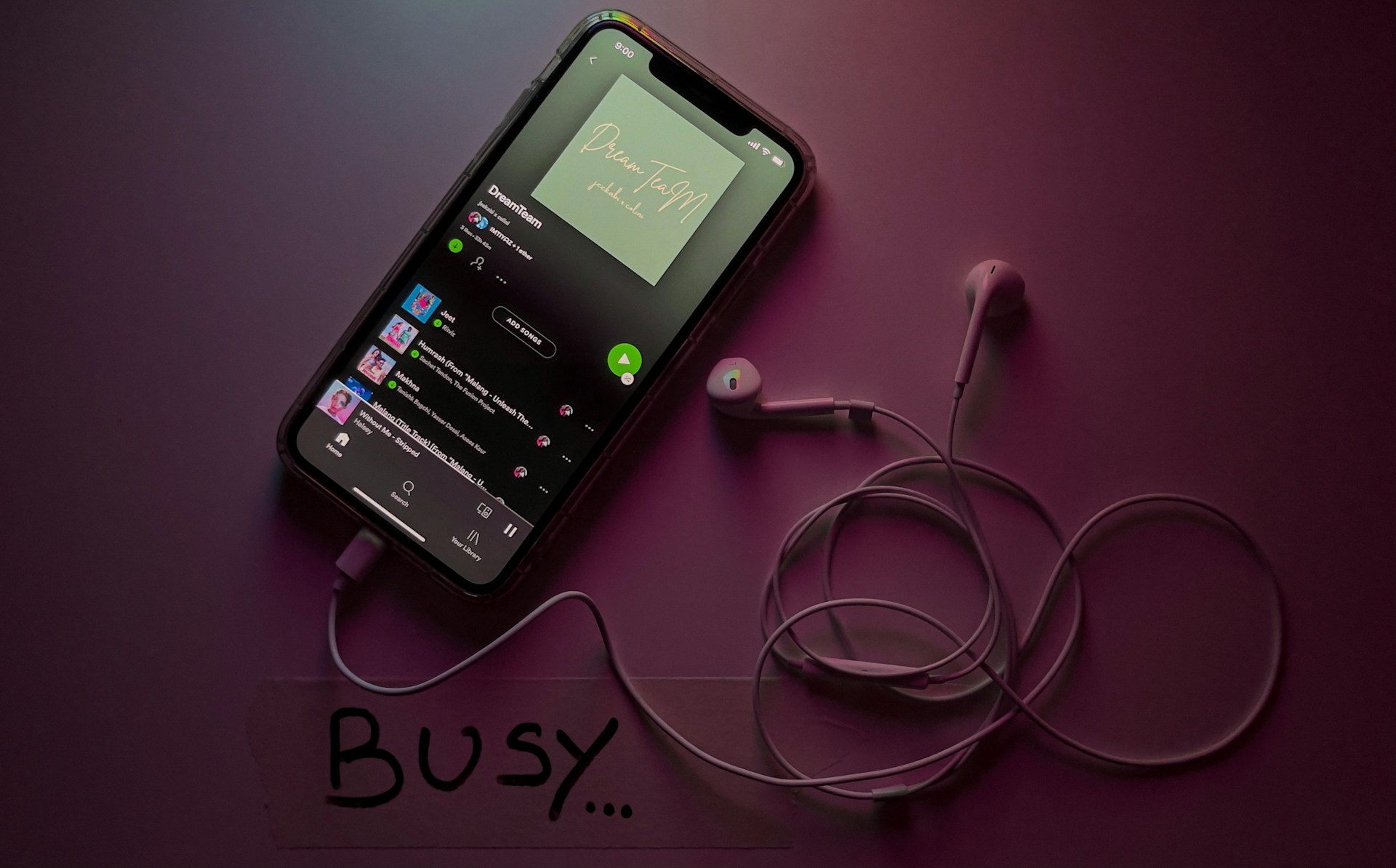 Producing music at a rapid rate often means less time spent refining lyrics, sound design, and production. This can lead to songs that feel rushed, generic, or forgettable. In the long term, this approach may harm an artist’s reputation for quality. Fans expect each release to carry the same energy and creativity that first attracted them. Without careful development, frequent releases risk sounding repetitive, which can diminish an artist’s credibility.
Missed Opportunities for Growth
Between releases, artists need time to study feedback, understand analytics, and adjust strategies. If songs are pushed out too quickly, there’s little chance to reflect on what worked and what didn’t. Growth as a musician depends on experimentation, learning, and adapting — all of which require breathing room. Taking the time to measure impact and evolve creatively often produces better long-term results than a constant stream of rushed singles.
Marketing and Promotion Gaps

Releasing music is just the first step — promotion is what drives streams and builds awareness. Constantly pushing out songs leaves little room for proper marketing campaigns. Social media posts, music videos, interviews, and collaborations all require time and planning. When new music arrives too quickly, the older releases don’t receive the attention they deserve, and promotional opportunities are lost. In contrast, spacing releases allows stronger storytelling and gives fans more time to engage with the material.
While it may seem like frequent releases will keep an artist at the forefront of fans’ minds, the opposite often occurs. Overloading streaming platforms with too much music reduces anticipation, shortens each track’s life, weakens promotional efforts, and can harm quality. The most successful musicians strike a balance: they release music consistently, but strategically, allowing every track to shine and connect deeply with their audience. By giving songs the space they deserve, artists can strengthen their brand and build a lasting impact.